One of the top-cited concerns surrounding organic certification is that it reduces the methods available to farmers to combat weeds, pests, or nutrient deficiencies.
But this reputation washes away pretty quickly when you examine what organic farmers and ranchers are experiencing on the ground. Let’s dig in and get to the root of this myth.
The Truth: Organic Methods Grow Your Toolbox
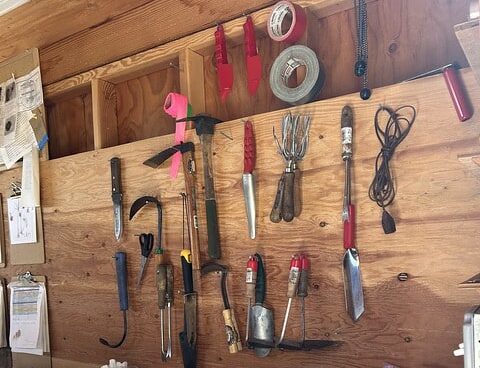
Not being able to use synthetic materials doesn’t mean there aren’t tools available for managing pests and nutrients in organic systems.
Organic producers rely on a more diverse toolbox for tackling their problems, one that emphasizes timing, prevention, and a whole-farm systems approach rather than a single product solution.
Weed Management
In an organic system, weed management starts well before the seedling breaks soil.
Many producers utilize intentional cover cropping to shade out weeds and compete for light and resources. Well-timed crop rotations break weed cycles and introduce varied nutrient competition across seasons.
Mulch is another powerful tool producers have at their disposal. There are a variety of mulches producers can use, including plastic mulches (which must be removed at the end of each season), organic material mulches (like compost or wood chips), and even living mulches that crops can grow through.
If weeds make it past these barriers, organic producers have a variety of weeding methods at their disposal to combat the problem, like flail mowing, grazing, flame weeding, and hoeing.
Pest Management
For farmers who haven’t historically kept records, creating this new habit may feel overwhelming. But there is some flexibility: POrganic pest management also begins with prevention.
Rotating and diversifying crops disrupts pest life cycles, making it difficult for populations to increase each year. Pest-repellent plants, such as certain herbs, planted among or around crops can redirect pests’ attention. Producers also build beneficial habitat for predators that hunt the pests, such as raptor perches, bird boxes, and bat boxes. Some even rely on dogs and cats for rodent management. These methods are an effective tactic for naturally reducing pest pressure.
Still, there are more methods available. Physical barriers, such as row covers and insect netting, are widely used to prevent pests from feeding on and reproducing on crops. Even the crops themselves factor into the prevention. Some plant varieties are bred for disease and insect resistance.
If a combination of these preventative methods aren’t enough, producers can use approved input materials, such as neem oil, certain soaps, diatomaceous earth, and Vitamin D. And if need be, snap traps are always an option for rodents.
Nutrient Deficiency
Organic systems still need added nutrients; they’re just delivered differently. There are many organic-approved natural materials that can increase soil nutrients and fertility:
- Compost and manure increase organic matter
- Cover crops like legumes can fix nitrogen
- Green manures and mulches both suppress weeds and break down into organic matter
- Mineral amendments like lime, gypsum, rock phosphate, and potassium sulfate
N, P, K, and organic matter are still cycled, just like in conventional systems. What changes is how organic producers get those nutrients into the soil.

Why Busting This Myth Matters
The belief that organic producers lack effective tools for field, crop, and livestock management keeps many farmers and ranchers from considering organic certification. However, organic certification often encourages producers to develop a deeper understanding of and relationship with the land on which they operate.
Rather than fighting symptoms, organic producers build preventative systems. These foundations are already in place to combat stress from weeds, pests, and deficiencies. Adopting these practices can often lead to greater resilience over time and better long-term stability.
Case Study:
The evidence speaks for itself. Mihail Kennedy of B Bar Ranch in Emigrant, MT shared his experience of transitioning to organic management practices:
“When you find problems, you have this organic toolbox to work within. It makes you think more and understand the ecologies, and become more of a systems thinker. So when we have a grasshopper year, I don’t think about killing them with poisons; I think about what I need to do to foster the predators for the grasshoppers. You think about the whole thing as a system… it really gets you connected to the land and to nature.”
Over time, Mihail’s decision to think systemically has reshaped the land itself:
“In the last 10 years, what we’ve seen happen is we’ve been building this resilience in the land. When I first started here, 10-11 years ago, on one of our leased sections, there were 6 or 7 nesting pairs of long-billed curlews. Now there are 25 [nesting pairs]. The bobolinks, they eat grasshoppers like nobody’s business and a lot of other pests in the field. When we stopped haying our fields and started grazing them, I can’t even count how many bobolinks we have in our pastures now. Same thing with the western meadowlarks. Just changing out grazing habits have really helped foster them. Fostering these other parts of the system really does help when these pests come in… you have the animals and insects that are predators come in and help mitigate those problems.”
To sum it up, Mihail says:
“Organic to me is working with nature – it’s fostering life, not fighting it.”
Bottom Line
Organic certification does not mean giving up control over weeds, pests, and nutrients. It simply means managing differently. Producers who choose to think systematically can tackle problems with tools like diversity, timing, prevention, and ecological balance, rather than relying on synthetic inputs. In turn, producers often reap a stronger, more resilient operation over time.
Consider this myth, “for the birds.”
Have Questions?
Still wondering about what organic certification could look like for your operation? Unsure about the practicality of implementing organic management practices?
The Transition to Organic Partnership Program (TOPP) is here to help. TOPP is designed to help producers navigate the transition and certification process. Producers will find support, have access to mentorship, workshops, webinars, field days, technical assistance, and other educational opportunities to learn about organic production, the certification process, market opportunities, and more. Visit organictransition.org or email topp@tilth.org to find out more!